Traveling during Black History Month hits different. It’s not just about getting away, it’s about connecting to culture, honoring legacy, and celebrating Black excellence in real time. From historic landmarks to vibrant neighborhoods that still shape today’s culture, these destinations offer meaning and vibes.
If you’re planning a trip this month (or building your travel vision board), here are some top U.S. destinations rooted in Black history, culture, and community.
Atlanta, Georgia
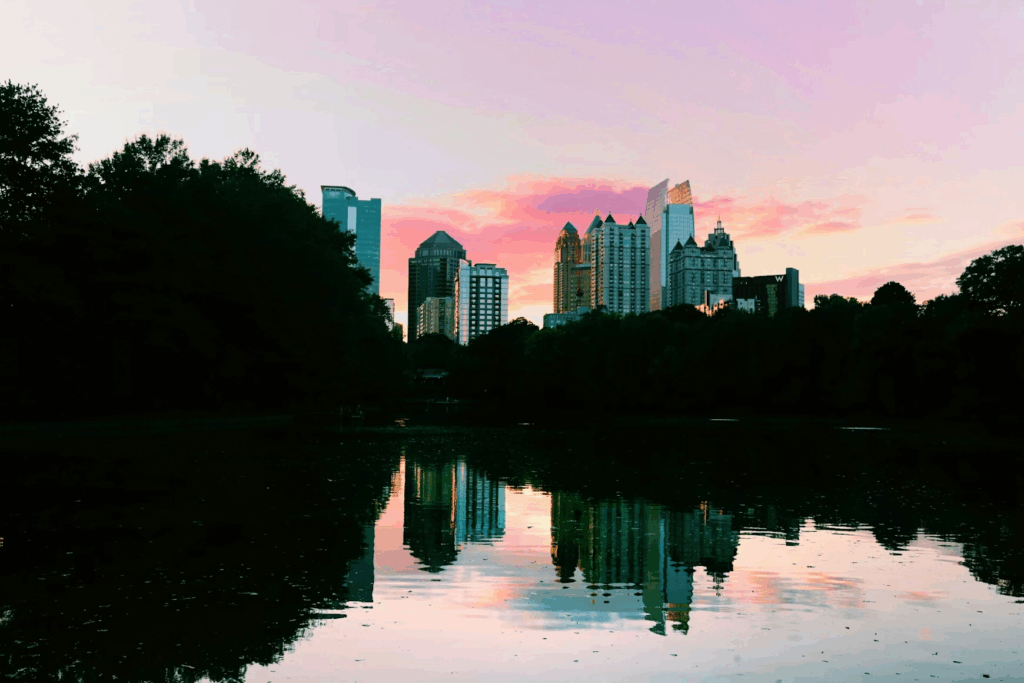
Atlanta is a must. From the Martin Luther King Jr. National Historical Park to the National Center for Civil and Human Rights, the city tells powerful stories while staying deeply connected to modern Black culture. Add Black-owned restaurants with flavorful menu items, rich music history, and lively nightlife, and you’ve got a destination that balances reflection and celebration.
Main Attractions & Hidden Gems:
- Apex Museum – A hidden gem focused on African American history from Africa to modern-day Atlanta.
- Trap Music Museum – A modern cultural staple celebrating Atlanta’s influence on hip-hop.
- Busy Bee Café – Classic soul food and an Atlanta institution.
- Ponce City Market – Food hall, shopping, and rooftop views all in one.
- Atlanta BeltLine – Perfect for walking, biking, people-watching, and popping into local spots.
- Piedmont Park – Great for picnics, relaxing, or a slow morning stroll.
- Edgewood Avenue – Black-owned bars, boutiques, and nightlife.
- West End – Rich history, murals, and community-centered businesses.
- Johnny’s Hideaway – Atlanta classic.
- The Basement ATL – Trendy lounge with music + vibes.
Harlem, New York
Harlem is timeless. Walk through the neighborhood that gave us the Harlem Renaissance, visit the Schomburg Center for Research in Black Culture, and experience gospel at a historic church. The food, the art, the energy—it’s Black history living and breathing right in the concrete.
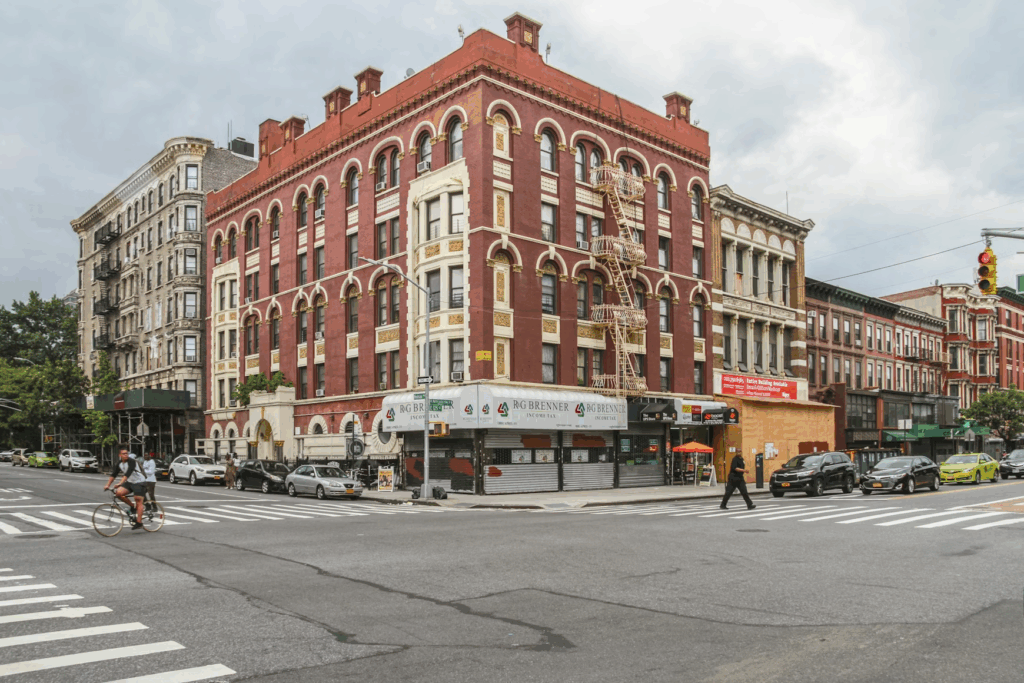
Main Attractions & Hidden Gems:
- Apollo Theater – Iconic for a reason. Even if you don’t catch a show, standing outside feels legendary.
- National Jazz Museum in Harlem – Small but powerful, celebrating Harlem’s deep jazz roots.
- Abyssinian Baptist Church – A historic church with deep ties to Harlem’s legacy.
- Sylvia’s Restaurant – A Harlem institution. Soul food, culture, and history all in one place.
- Red Rooster Harlem – Elevated comfort food with music, energy, and serious Harlem vibes.
- Melba’s – Comfort food with a modern twist and cozy atmosphere.
- 125th Street – Harlem’s main artery—shopping, culture, and nonstop energy.
- Minton’s – Historic jazz club where legends were made.
- Harlem Underground – Boutique featuring Black-owned brands.
- The Lit. Bar – Black woman–owned bookstore + wine bar (a Harlem fave).
RELATED: These Black-Owned Etsy Brands Are Shining Into Black History Month
New Orleans, Louisiana
New Orleans is where Black culture, creativity, and resilience shine. From Congo Square to the Backstreet Cultural Museum, the city’s African and Afro-Caribbean roots are everywhere. Add jazz, Creole food, and second-line energy, and it’s a cultural experience unlike any other.
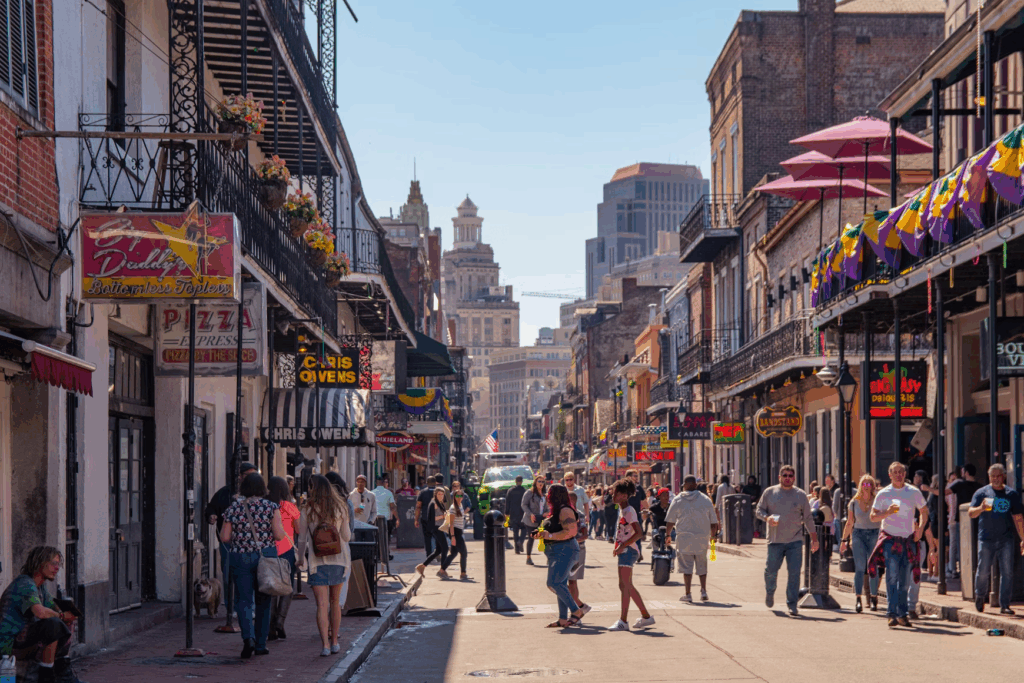
Main Attractions & Hidden Gems:
- Tremé Neighborhood – One of the oldest Black neighborhoods in the U.S., rich with history and culture.
- Historic New Orleans Collection – Great for learning the layered history of the city.
- Preservation Hall – Intimate, historic jazz performances.
- Louis Armstrong Park – A tribute to one of the city’s most influential figures.
- Frenchmen Street – Live music every night, from jazz to brass bands.
- Dooky Chase’s Restaurant – An icon. Creole food with deep civil rights history.
- Commander’s Palace – Classic New Orleans fine dining.
- Café du Monde – Beignets are a must (yes, even with the line).
- French Quarter – Historic, colorful, and full of energy.
- Mississippi Riverwalk – Great views and reflective moments.
- Second Lines – If you catch one, follow it (respectfully). It’s a cultural experience.
- The Spotted Cat – Live jazz with cozy vibes.
Montgomery & Birmingham, Alabama
These cities are essential for understanding the Civil Rights Movement. The Legacy Museum, National Memorial for Peace and Justice, and Birmingham Civil Rights Institute offer deeply moving, educational experiences. This is travel that leaves you changed in the best way.

Main Attractions & Hidden Gems:
- Rosa Parks Museum – Located at the site of her arrest, telling the story of the Montgomery Bus Boycott.
- Dexter Avenue King Memorial Baptist Church – Where Dr. Martin Luther King Jr. once served as pastor.
- Freedom Rides Museum – Housed in the former Greyhound bus station where Freedom Riders were attacked.
- Birmingham Civil Rights Institute – A powerful, in-depth look at the Civil Rights Movement and the city’s role in it.
- 16th Street Baptist Church – A sacred site and National Historic Landmark.
- Civil Rights Heritage Trail – Walkable route connecting historic landmarks.
- Alabama Jazz Hall of Fame – Celebrates the state’s rich musical legacy.
- Eagle’s Restaurant (Birmingham) – Classic soul food and a local favorite.
- Niki’s West – Famous cafeteria-style Southern comfort food.
- Vulcan Park & Museum – Beautiful views of the city and a moment of calm.
Washington, D.C.
D.C. is rich with Black history, past and present. The National Museum of African American History and Culture alone is worth the trip, but the city also boasts Black-owned businesses, historic neighborhoods, and cultural landmarks that continue to shape the nation.
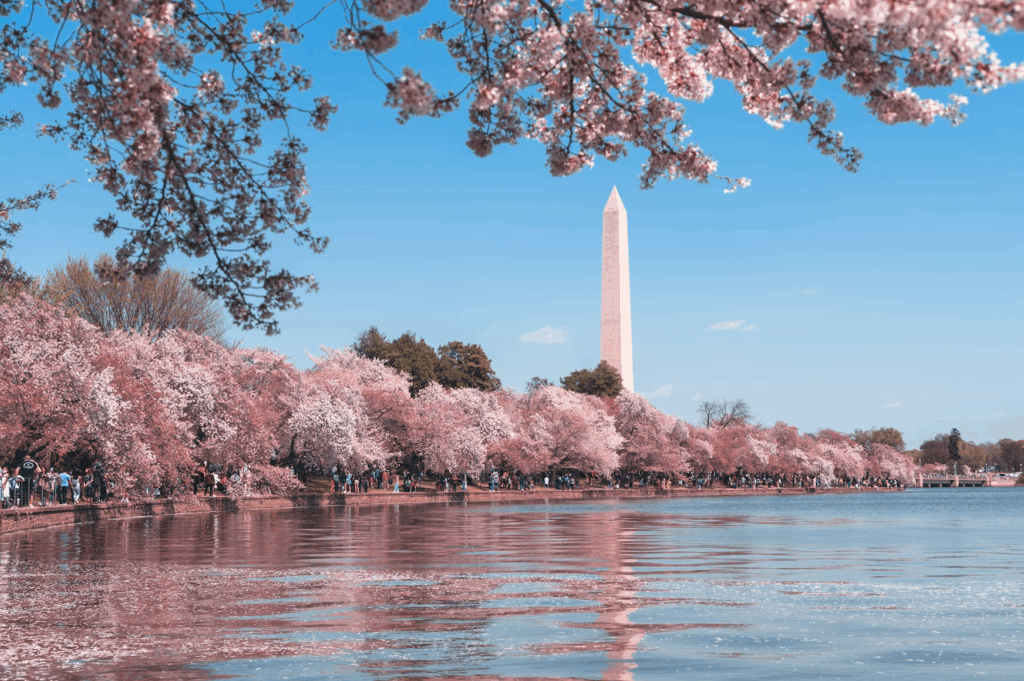
Main Attractions & Hidden Gems:
- U Street Corridor – Once known as “Black Broadway,” this area shaped jazz, nightlife, and Black entrepreneurship.
- Anacostia Community Museum – Focuses on Black history through a local and community-centered lens.
- Kennedy Center (Free Performances) – Especially great for jazz and cultural programming.
- Frederick Douglass National Historic Site – Visit Cedar Hill for insight into his life and legacy.
- Martin Luther King Jr. Memorial – A reflective and peaceful stop.
- Black Lives Matter Plaza – A powerful modern landmark.
- Busboys and Poets – Community-focused restaurant and bookstore.
- Georgia Avenue & Shaw – Black-owned businesses, food, and nightlife.
- National Mall – Walkable, iconic, and full of history.
- MahoganyBooks – Black-owned bookstore and cultural hub.
Chicago, Illinois
Chicago’s Black history runs deep—from the Great Migration to its influence on music, politics, and art. Explore Bronzeville, visit the DuSable Black History Museum, and tap into the city’s creative energy that continues to push culture forward. Beyond the history, Chicago’s Black-owned restaurants and shops bring all the flavor, vibes, and one-of-a-kind finds you won’t want to miss.
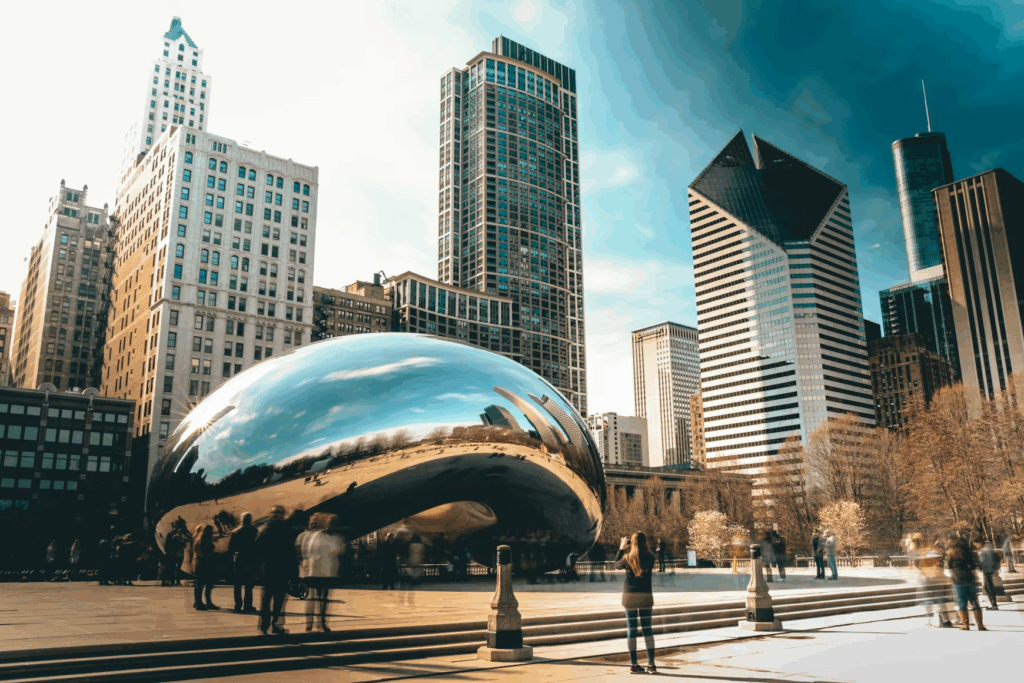
Main Attractions & Hidden Gems:
- Chicago Freedom Monument Project – Honors Black women’s leadership and activism.
- Stony Island Arts Bank – A stunning cultural space preserving Black art, archives, and history.
- South Shore Cultural Center – Art, architecture, and lakefront beauty.
- Harold’s Chicken Shack – A Chicago staple.
- Virtue Restaurant – Elevated Southern cuisine by Chef Erick Williams.
- Peach’s Restaurant – Popular for brunch and comfort food.
- Luellas Southern Kitchen – Soul food with a modern twist.
- Hyde Park – Home to the University of Chicago and rich cultural history.
- Promontory Point – Beautiful lake views and peaceful vibes.
- Washington Park – A historic green space tied to Black Chicago history.
- Silver Room – Iconic boutique known for jewelry, culture, and community.
- Semicolon Bookstore & Gallery – Black woman–owned bookstore and event space.
- Nobody’s Darling – Queer, Black-owned café and cocktail lounge.
- The Promontory – Music, food, and nightlife in one.
- Kingston Mines – Legendary blues club.
- The Shrine – Afrocentric lounge with music and art.
Charleston, South Carolina
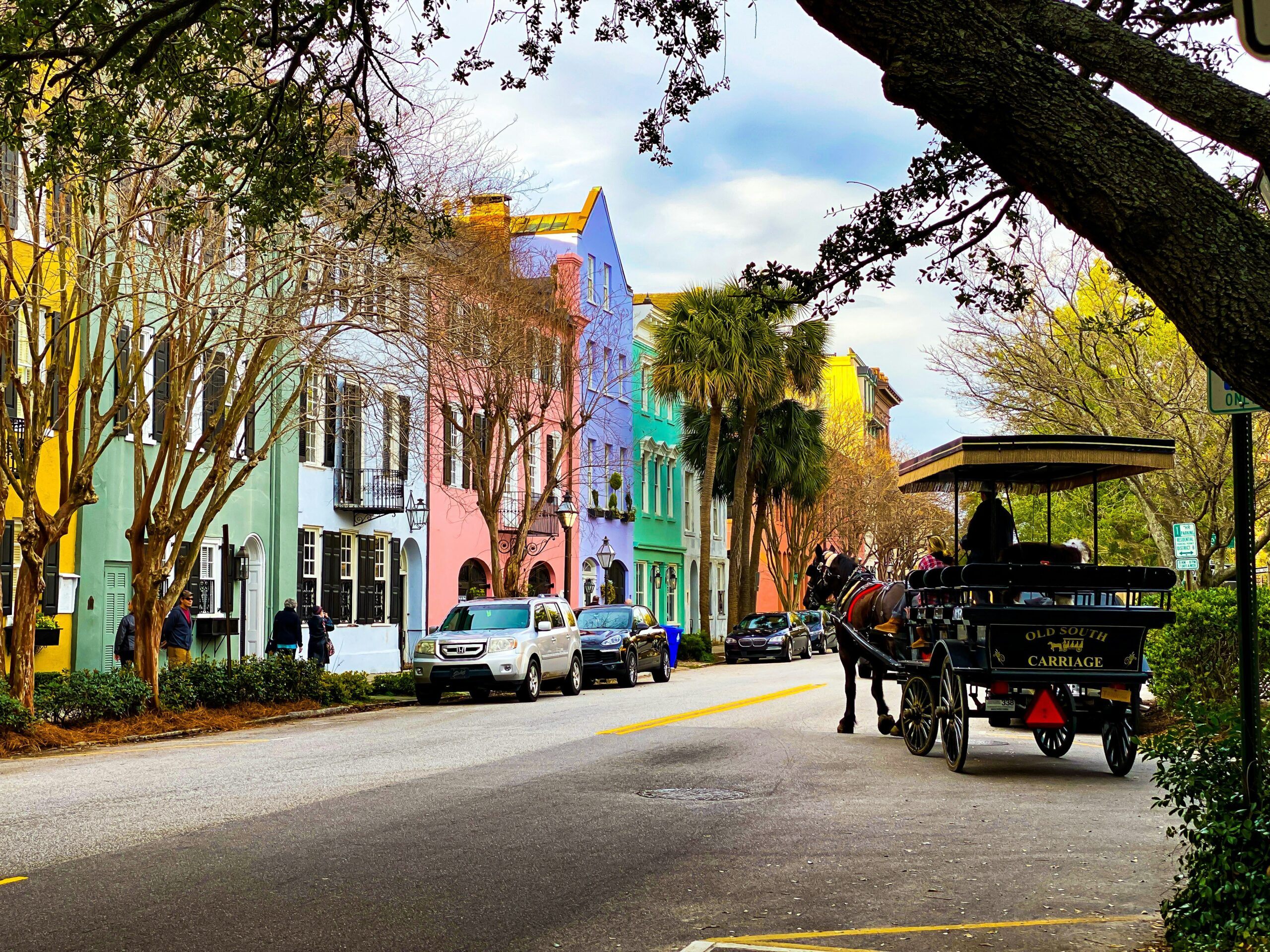
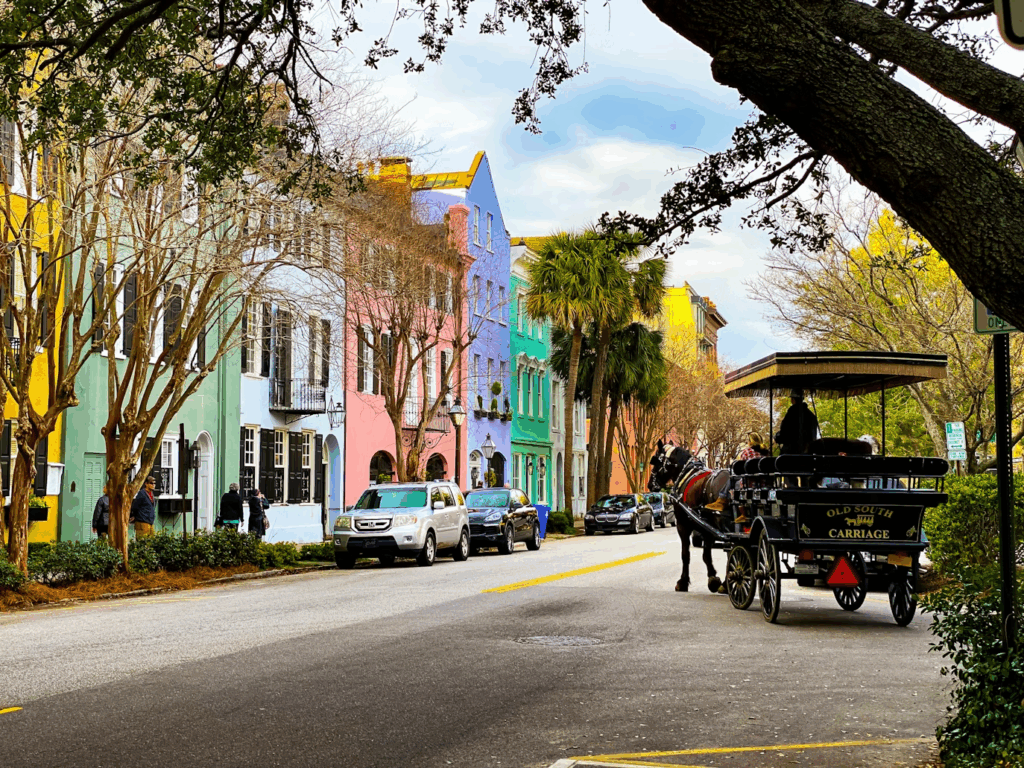
Charleston offers a powerful look into African American history through sites like the International African American Museum and Gullah Geechee cultural experiences. It’s a destination that honors ancestry while celebrating survival, craftsmanship, and storytelling. Beyond the historic sites, Charleston is packed with Black-owned restaurants and cafes; hidden gems serving soul food, Lowcountry flavors, and cozy coffee vibes.
Main Attractions & Hidden Gems:
- Old Slave Mart Museum – Preserves the history of Charleston’s role in the domestic slave trade.
- Gullah Tours & Cultural Experiences – Learn about the Gullah Geechee culture, language, and traditions still alive in the Lowcountry.
- Avery Research Center for African American History and Culture – Historic site with rotating exhibits on African American life and history.
- Historic Downtown Charleston – Cobblestone streets, pastel-colored buildings, and hidden historical markers.
- Ansonborough & Harleston Village – Walkable neighborhoods with rich Black heritage and architecture.
- Hank’s Seafood – Iconic Lowcountry flavors.
- Callie’s Hot Little Biscuit – Bite-sized Southern delights.
- Redux Contemporary Art Center – Showcases diverse artists, including many Black creatives.
- Waterfront Park & Pineapple Fountain – Perfect for strolling and soaking in Charleston’s charm.
- The Battery & White Point Garden – Historic promenade with views of Charleston Harbor.
- Folly Beach & Sullivan’s Island – Relaxing coastal escapes nearby.
RELATED: La La Anthony Enters the Beauty Chat With Her First-Ever Fragrance & Body Care Line
Traveling to these destinations during Black History Month is about more than checking places off a list—it’s about intentional exploration. Supporting Black-owned businesses, learning untold stories, and connecting to our roots turns travel into an act of remembrance and joy.
Black history is American history, and it’s worth experiencing firsthand, one city at a time.