

Few conversations are more difficult for families than those surrounding death and end-of-life care. Yet as more Baby Boomers enter their later years, questions about caregiving, hospice and end-of-life wishes are becoming increasingly important for families across the country.
For Paula Wrenn, those questions became deeply personal during her husband Jim’s two-year hospice journey. Initially afraid of death, Jim gradually learned to approach the end of his life with courage, peace and even joy. Before his passing, he asked Paula to share their experience so other families could face the end of life with less fear, a better understanding of what to expect and more time to focus on what matters most.
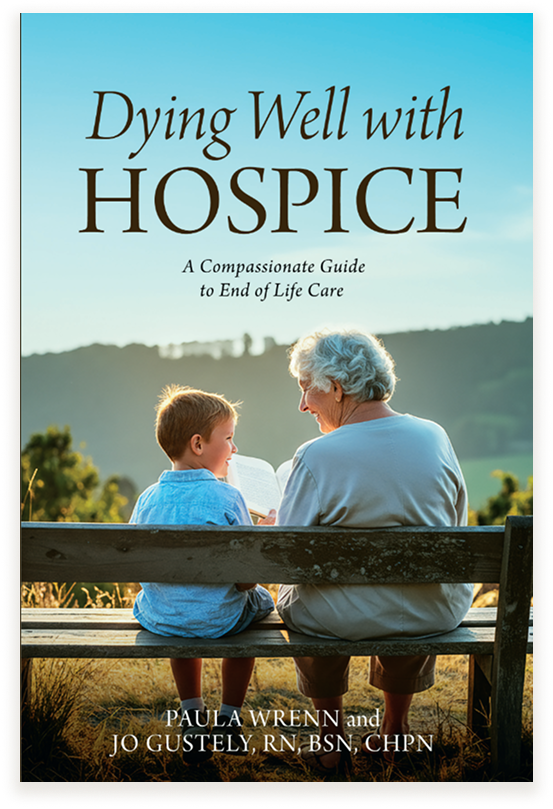
Wrenn honored that wish by partnering with Jim’s hospice nurse, Jo Gustely, to write Dying Well with Hospice: A Compassionate Guide to End-of-Life Care. The book combines Wrenn’s intimate perspective as a family caregiver with Gustely’s professional experience as a hospice nurse, offering insight into the emotional realities of accompanying a loved one through the dying process and the care that can help make that journey more meaningful.
“I was inspired watching him grow from a person worried about dying to someone facing end-of-life with courage and positivity,” Wrenn said. “Both of us credited his hospice experience with making his end of life meaningful, even joyful.”
Changing the Conversation Around Hospice
Rather than focusing solely on death, Dying Well with Hospice explores how preparation, open communication and compassionate care can help families make the most of their time together.
Wrenn and Gustely explain what families can expect during the natural dying process, how hospice supports patients and caregivers, and why conversations about end-of-life wishes are important before a crisis occurs.
The book also challenges the misconception that choosing hospice means giving up. Instead, the authors highlight how hospice can offer comfort, guidance, and support while helping patients remain connected to the people and experiences that matter most to them.
For families navigating a loved one’s final months, understanding what lies ahead can make an unfamiliar and emotional experience feel less overwhelming. For those who have not yet faced these decisions, the book offers a starting point for discussing personal wishes, values and care preferences before difficult circumstances arise.
Finding Meaning in the Caregiving Journey
Caregiving can bring emotional and physical challenges, particularly when families are supporting someone approaching the end of life. But Wrenn’s experience also revealed the profound meaning that can emerge from being present for a loved one during such a vulnerable time.
Through their shared perspective, Wrenn and Gustely aim to help families understand that end-of-life care is not only about preparing for death. It is also about recognizing the value of the time that remains, creating opportunities for connection and ensuring loved ones feel supported throughout the process.
“Caregiving for a loved one is challenging and stressful at times, but the rewards are immeasurable,” Wrenn said. “Dying Well with Hospice is about validating the importance of the end of life and helping families discover the spiritual and emotional benefits that can be attained by supporting a loved one in this most important journey.”
Ultimately, Wrenn’s decision to share her family’s experience reflects a hope that other families can approach end-of-life care with greater understanding and less fear. By bringing together the perspectives of a caregiver and a hospice professional, Dying Well with Hospice encourages readers to begin difficult conversations, explore their care options, and make space for compassion, connection, and meaningful moments along the way.









Leave a Reply