
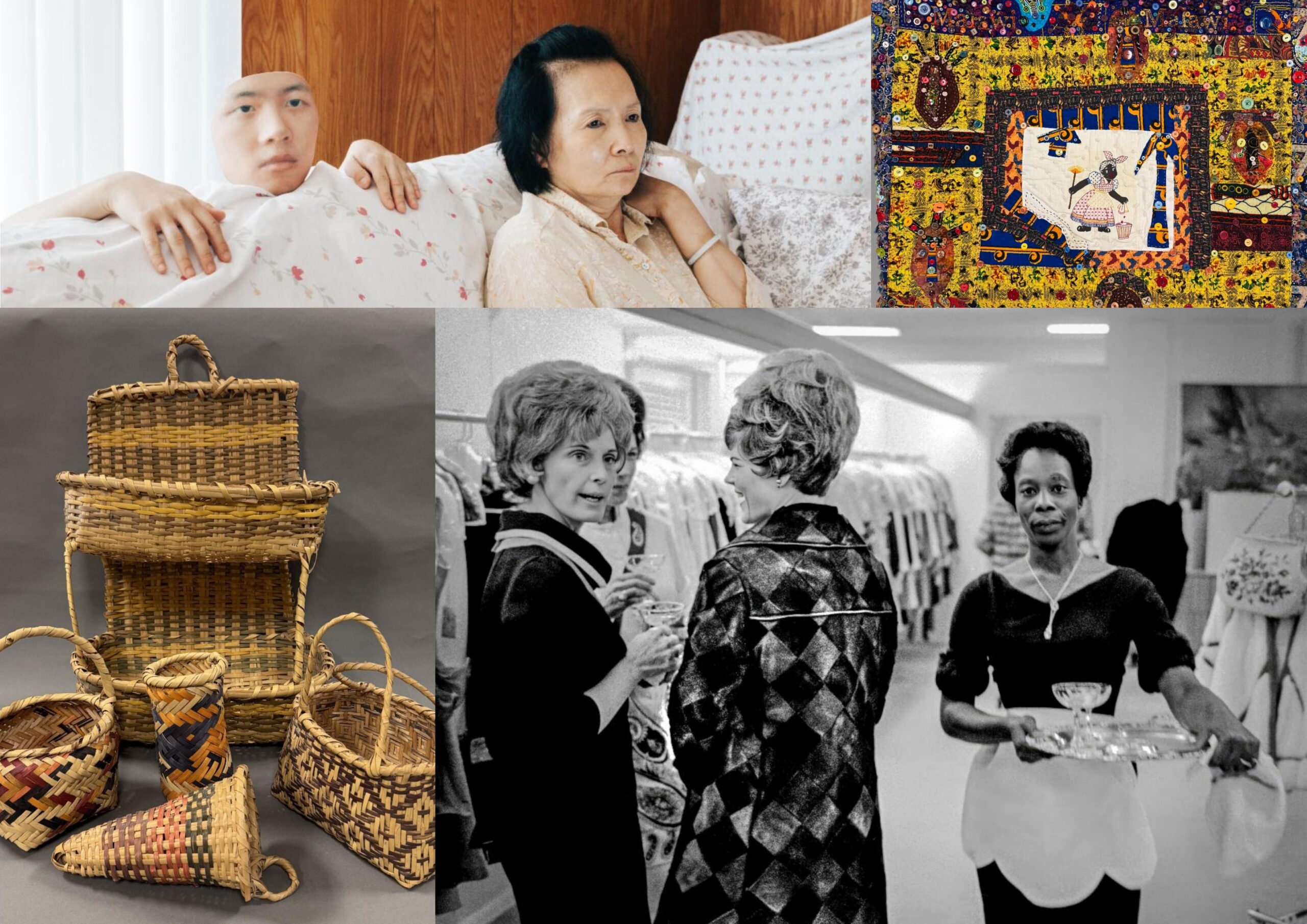
The Mississippi Museum of Art is expanding its collection with a new group of acquisitions highlighting Southern photography, Black quilting, drawing and Indigenous craftsmanship.
The latest additions bring together artists whose works explore identity, history, cultural displacement and the stories embedded within regional traditions. The pieces will eventually be featured in upcoming rotations in the Museum’s Grand Hall, giving visitors a chance to experience the new works as part of the institution’s evolving collection.
“We are thrilled to welcome these artists into our permanent collection, each of whom has ties to the region,” said Betsy Bradley, MMA’s Laurie Hearin McRee Director. “Tommy Kha reveals aspects of his story as a first-generation Asian American growing up in the South. Doy Gorton’s photographs provide a candid perspective on how economic and social changes affected the region during a pivotal year in history, while Stephany Brown’s Madea conveys an important story about forebears. And the meticulous layering of lines in Rob Carpenter’s work mesmerizes. We are deeply grateful to Betty Norrie for her gift of this striking selection of Choctaw baskets.”
Established in 1911, the Mississippi Museum of Art is dedicated to connecting Mississippi to the world through the power of art and community. As the largest art museum in the state, the Jackson institution houses a permanent collection spanning painting, photography, multimedia works and sculpture by Mississippi, American and international artists. Its year-round programming also includes exhibitions, educational initiatives, public programs and community partnerships.
Tommy Kha Explores Identity Through Photography

Among the new acquisitions are three photographs by Tommy Kha, taken between 2017 and 2019. The Memphis-based artist frequently incorporates his mother and Southern landscapes into his work, reflecting the experiences of his parents as Chinese and Vietnamese immigrants living in the South.
Kha uses unexpected objects—including paper cutouts and partially completed jigsaw puzzles—to represent himself within the photographs. The visual approach allows him to explore assimilation, cultural displacement and the complicated relationship between place and personal identity.
Kha earned an MFA in Photography from Yale University, where he currently teaches.
RELATED: North Carolina Museum of History Unveils a Fresh New Look Inspired by the Stories It Preserves
Doy Gorton Captures the Changing South
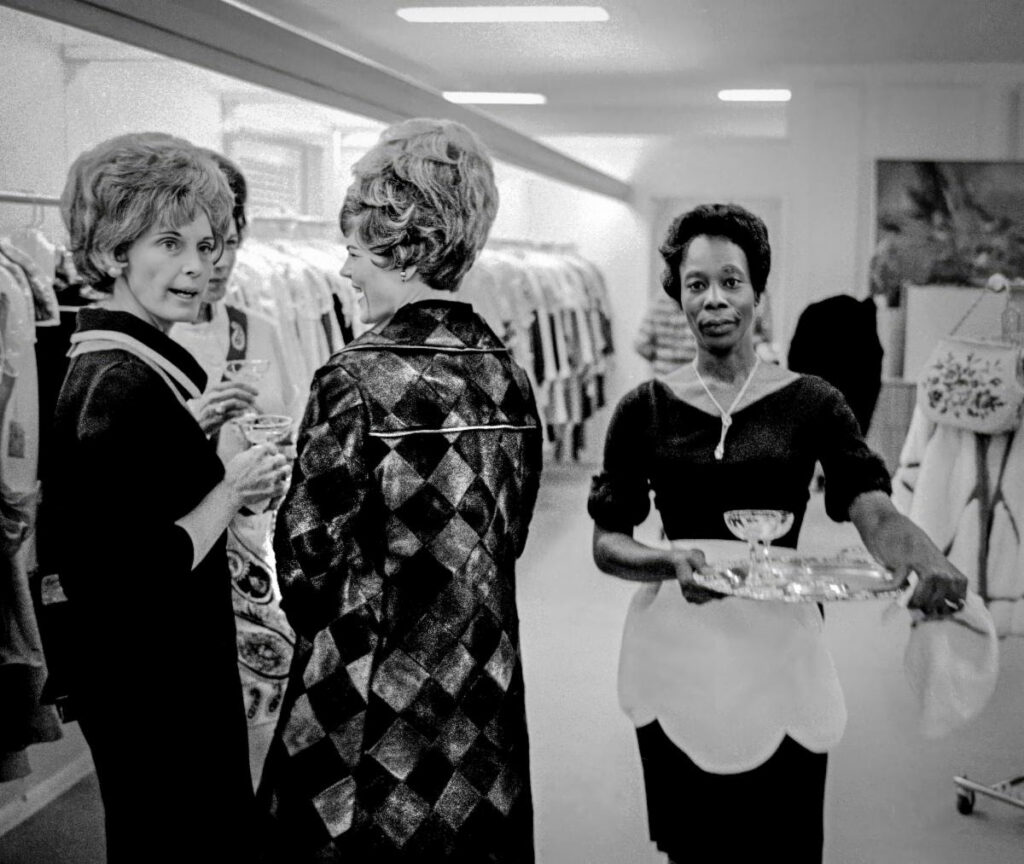
The Museum also acquired 18 photographs from Doy Gorton’s White South series, photographed between 1969 and 1970.
Created during a period of significant cultural and social upheaval in the United States, the series offers an unflinching look at Southern society during the final years of legalized white supremacy.
Gorton’s career includes serving as chief photographer for The Philadelphia Inquirer before becoming a White House photographer for The New York Times, where he covered the Carter and Reagan administrations.
Stephany Brown Reclaims a Complicated Black History
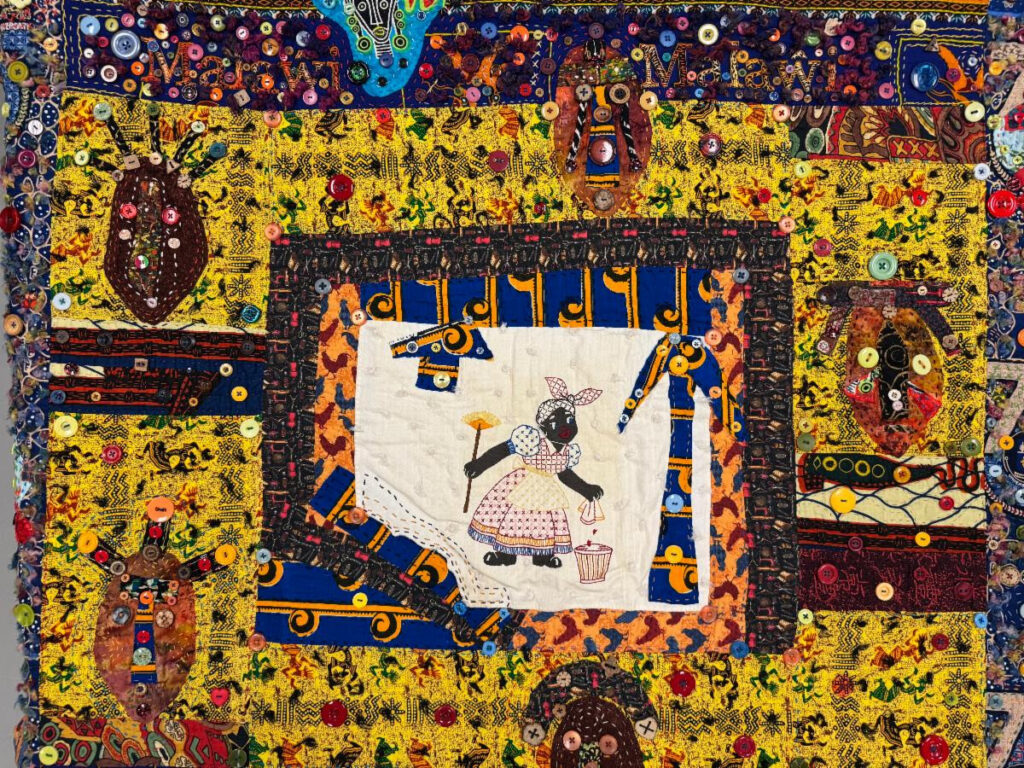
Quilting takes center stage in Stephany Brown’s Madea, a work inspired by the Black women whose labor helped sustain American households while often being marginalized and overlooked.
Brown, a Heritage Quilter, learned the craft from her husband’s grandmother and continues to teach and practice the art form. According to Brown, Madea pays tribute to the cooks, domestics, nannies and laundry workers “on whose shoulders she stands.”
The quilt challenges the demeaning stereotype of the Black Mammy, instead honoring these women as important figures whose contributions remain deeply woven into American history and culture.
Rob Carpenter Turns Repetition Into Art
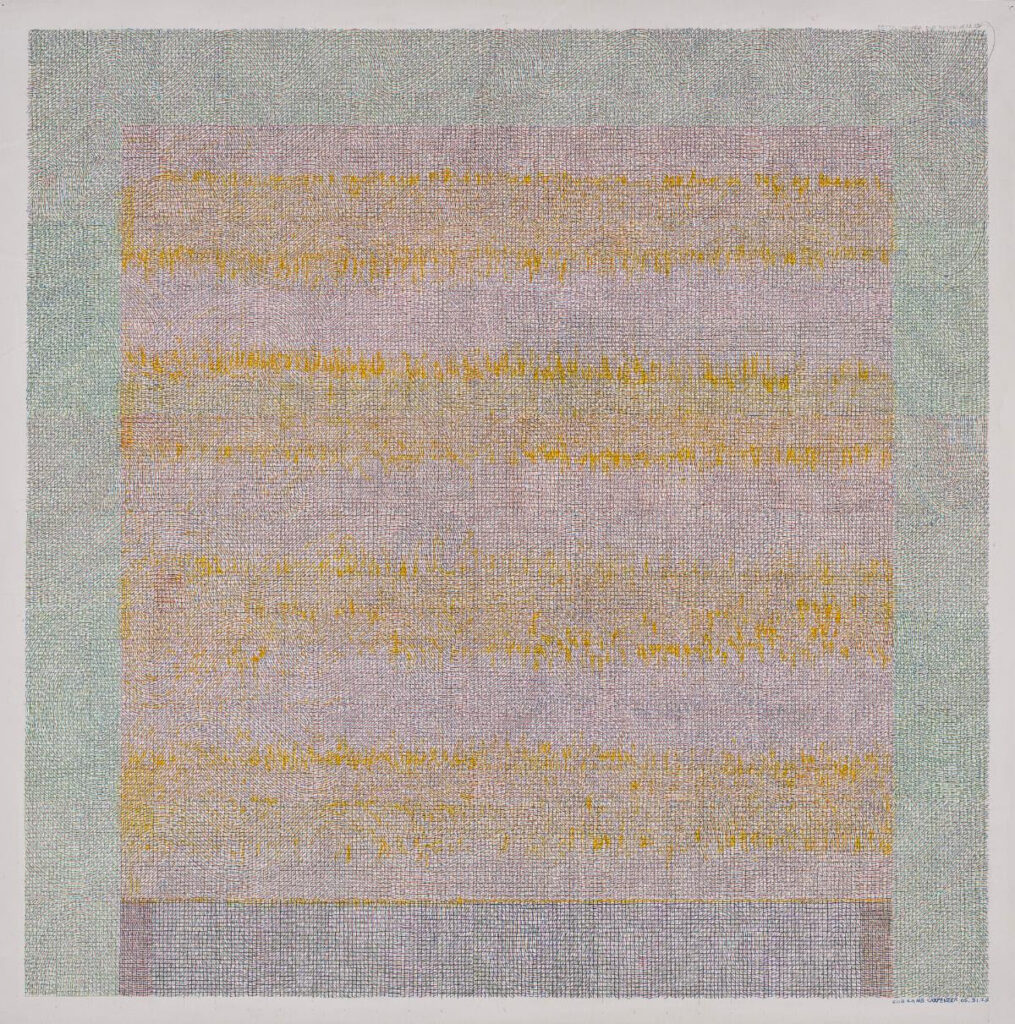
Mississippi native Rob Carpenter brings a different approach to the collection with Paths of Moving Points, a series of intricate hand-drawn works created through an intentionally repetitive process.
Carpenter layers countless lines until they form a unified surface, continually reassessing the composition along the way. Adjustments to line weight, color relationships and directional movement ultimately create the texture and depth of the finished work.
The artist earned a BS in History from Mississippi State University and an MFA in Painting and Drawing from Louisiana State University.
33 Choctaw Baskets Join the Museum’s Collection
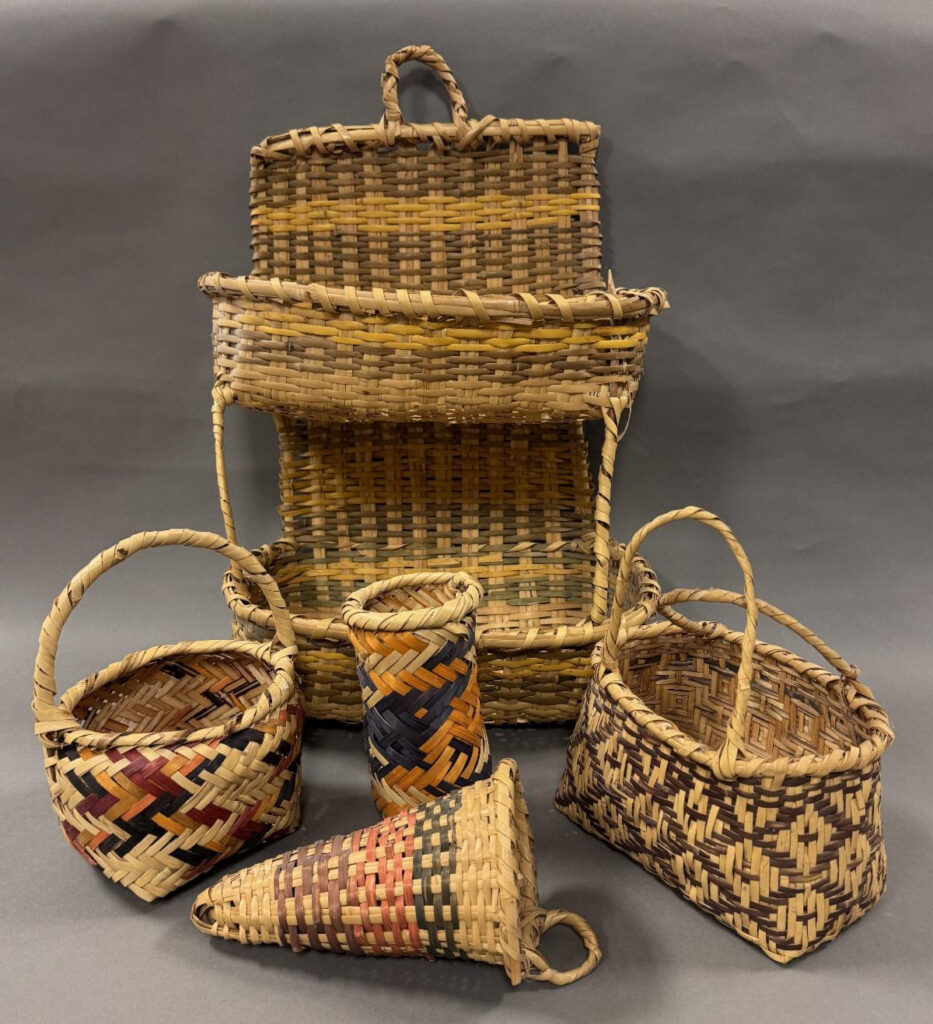
The Museum’s newest acquisitions also significantly expand its holdings of Indigenous basketry, thanks to a gift of 33 mid-20th-century Choctaw baskets from collector Betty Norrie.
Norrie purchased the baskets from members of the Mississippi Band of Choctaw Indians at the Neshoba County Fair and Choctaw Indian Fair while growing up in Mississippi. Her generous donation adds important examples of Choctaw craftsmanship to the Museum’s collection while further connecting the institution to the state’s rich Indigenous artistic traditions.
Together, the new acquisitions reflect the Mississippi Museum of Art’s broader mission of using art to explore the people, histories and cultures that shape Mississippi and the wider world. As the works begin appearing in future Grand Hall rotations, they’ll offer visitors fresh perspectives on Southern identity, Black history, Indigenous craftsmanship and the evolving story of American art.
RELATED: Celebrate Spring in the South at Art in Bloom at the New Orleans Museum of Art





Leave a Reply