Luxury living doesn’t have to come with a sky-high rent. While some cities will charge you $2,500 for a studio and a dream, there are still places across the U.S. where that budget can land you modern finishes, top-tier amenities, and space to actually live.
If you’re ready to upgrade your lifestyle without draining your bank account, these cities prove that luxury and affordability can coexist.
Atlanta, Georgia
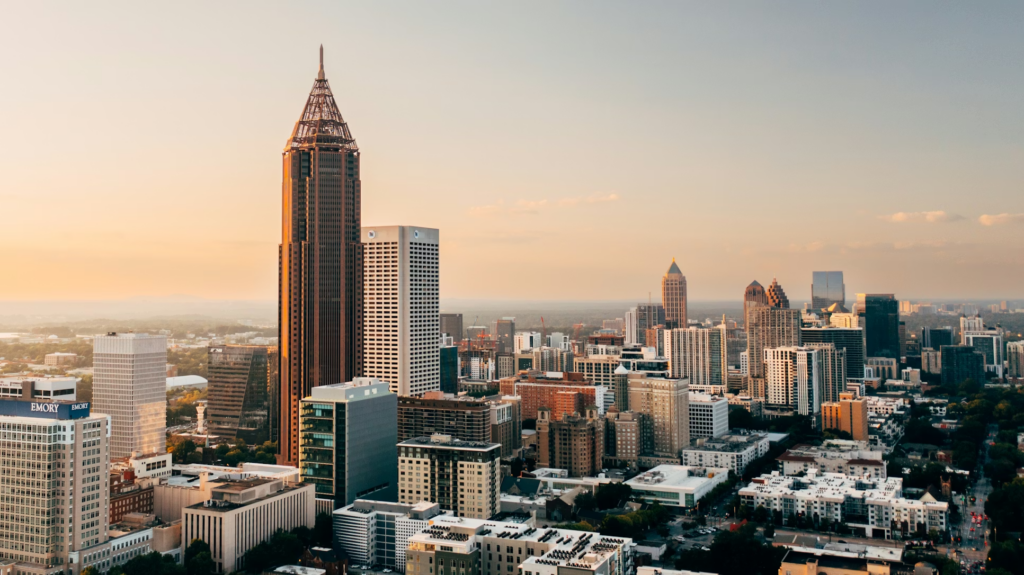
Atlanta stays winning when it comes to luxury for less. That could be why so many Americans continue choosing the A over other cities. With $2,500, you can score a sleek one-bedroom or even a spacious two-bedroom, in luxury buildings featuring rooftop pools, fitness centers, coworking lounges, and skyline views. Neighborhoods like Midtown, Buckhead, and West Midtown offer upscale living with culture, nightlife, and food scenes to match.
Things to Consider:
- Transportation & Traffic: Atlanta is very car-dependent. While MARTA exists, most residents rely on driving, and traffic can be heavy during rush hour. Choosing a neighborhood close to work or with walkable options can make a huge difference in quality of life.
- Neighborhood Fit: Atlanta isn’t one-size-fits-all. Midtown and Old Fourth Ward offer walkability and city energy, Buckhead leans upscale, West Midtown and East Atlanta are trendy, and suburbs like Decatur or Smyrna provide a quieter pace. Spend time exploring before locking in a lease.
- Job Market & Industry: Atlanta has strong opportunities in entertainment, tech, logistics, healthcare, and entrepreneurship—especially for creatives and Black-owned businesses. Make sure your industry has a solid presence before relocating.
- Cost of Living: While Atlanta is more affordable than NYC or LA, rent prices have risen in recent years. Luxury apartments are still attainable, but competition can be high. Budget carefully and factor in utilities, parking, and commuting costs.
- Weather & Lifestyle: Atlanta summers are hot and humid, while winters are mild. The city is very outdoors-friendly with parks, trails, and rooftop culture—perfect if you enjoy social, active living.
- Culture & Community: Atlanta is a major hub for Black culture, music, business, and social life. Community matters here, and supporting local, Black-owned businesses is part of the lifestyle. Networking is big, relationships go a long way.
- Social Life & Pace: Atlanta is lively but not rushed. Brunch culture is serious, nightlife is strong, and there’s always an event happening. If you like a balance of ambition and leisure, you’ll fit right in.
- Schools & Family Planning: If you’re relocating with kids or planning long-term, research school districts carefully; options vary widely by neighborhood and suburb.
RELATED: Tiny Units, Big Impact: Micro-Apartments Surge in Costly Cities
Dallas, Texas

Dallas is luxury-friendly and budget-smart. Modern apartments with high ceilings, resort-style pools, and smart-home features are easy to find under $2,500, especially in Uptown, Deep Ellum, and Bishop Arts. Plus, no state income tax? That’s a lifestyle perk all on its own.
Things to Consider:
- Transportation & Layout: Dallas is very car-dependent. Public transportation is limited, so owning a car is almost a must. The city is spread out, which means commutes can vary widely depending on where you live and work.
- Neighborhood Variety: Dallas has distinct pockets with very different vibes. Uptown and Victory Park feel young and lively, Deep Ellum is artsy and nightlife-heavy, Bishop Arts is creative and walkable, while suburbs like Plano and Frisco are quieter and family-focused. Choosing the right area is everything.
- Job Market & Growth: Dallas has a strong economy with opportunities in tech, finance, healthcare, logistics, and corporate headquarters. It’s a great city for career growth, especially if you’re looking to climb or pivot professionally.
- Cost of Living: Dallas offers luxury apartments at more approachable prices than coastal cities, but costs are rising. While rent can feel reasonable, property taxes, utilities, and transportation costs add up—especially since driving is essential.
- Weather Reality: Summers are hot, and we mean triple-digit heat waves. Winters are mild, but the weather can swing quickly. If you love sunshine and don’t mind extreme heat, Dallas might be your speed.
- Culture & Social Life: Dallas has a growing cultural scene with great food, sports, and nightlife, but it can feel more corporate than creative compared to cities like Atlanta. Building community may take a little effort, especially if you’re new.
- Lifestyle & Pace: The pace is polished and professional. Brunch, fitness, networking events, and rooftop bars are popular. If you enjoy structure, ambition, and suburban-meets-city living, Dallas delivers.
- Education & Long-Term Planning: Dallas has highly rated suburban school districts, making it appealing for families. If long-term homeownership is on your radar, research property taxes and HOA fees carefully.
Houston, Texas
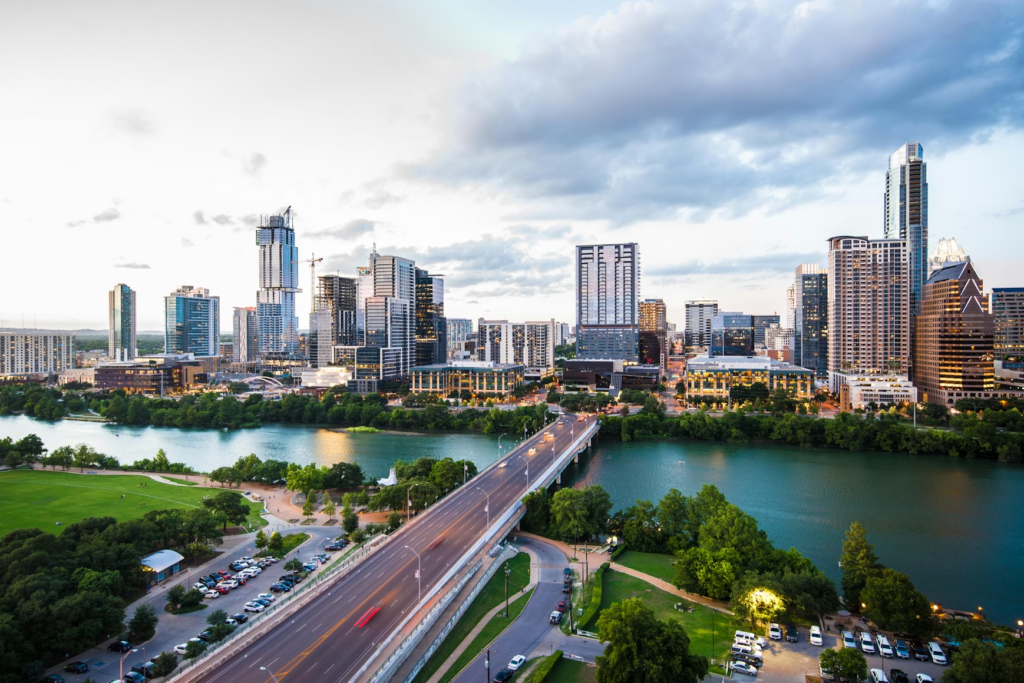
Houston offers some of the best value for luxury renters. For under $2,500, expect spacious layouts, stainless steel appliances, concierge services, and private balconies. Areas like Montrose, The Heights, and Downtown combine upscale living with strong culture and food scenes.
Things to Consider:
- Transportation & Sprawl: Houston is huge and very car-dependent. Public transit is limited, so owning a car is essential. Where you live in relation to work matters a lot—long commutes are common if you don’t plan carefully.
- Neighborhood Choice Is Everything: Each area has its own personality. Montrose is artsy and walkable, The Heights feels community-driven, Downtown and Midtown are lively, and areas like Sugar Land or Katy offer suburban comfort. Spend time exploring before choosing.
- Job Market & Industry: Houston’s economy is strong, especially in energy, healthcare, aerospace, logistics, and tech. The city is also friendly to entrepreneurs and small business owners, with plenty of networking opportunities.
- Cost of Living Reality: Houston offers some of the best value for housing among major U.S. cities, including luxury apartments. However, low rent can be offset by higher utility costs, property taxes, and transportation expenses.
- Weather & Climate: Hot, humid summers are the norm, and hurricane season is something to be aware of. Flooding can be an issue in certain neighborhoods, so researching flood zones is a must.
- Culture, Food & Community: Houston is one of the most diverse cities in the country, with a thriving Black community, an incredible food scene, and rich cultural life. There’s always a festival, pop-up, or community event happening.
- Lifestyle & Pace: The city moves at its own pace—laid-back but ambitious. Social life often revolves around food, lounges, and home gatherings rather than walkable nightlife districts.
- Schools & Long-Term Planning: School quality varies widely by area. If you’re planning long-term or relocating with family, research school districts carefully and factor in commute times.
Chicago, Illinois

Chicago is the only major metro city on the list that delivers big-city energy without New York-level rent. Luxury apartments under $2,500 are common in neighborhoods like South Loop, West Loop, and Bronzeville. Think floor-to-ceiling windows, lake views, in-unit laundry, and full amenity buildings; yes, even in a major metro.
Things to Consider:
- Weather Is a Lifestyle Factor: Chicago winters are no joke. Cold temps, snow, and wind (it’s called the Windy City for a reason) can impact your daily routine. If you thrive in four seasons and cozy winter vibes, you’ll adjust, but good outerwear is a must.
- Transportation & Walkability: Chicago is one of the most transit-friendly cities in the U.S. Many neighborhoods are walkable, and the CTA makes getting around without a car doable. That said, parking and winter driving can be tricky if you own one.
- Neighborhoods Matter…..A Lot: Each neighborhood has a distinct vibe. South Loop and West Loop feel modern and central, Bronzeville is rich in culture and history, Logan Square and Wicker Park are creative and lively, and Hyde Park offers a more academic, laid-back feel. Choose based on lifestyle, not just rent.
- Job Market & Opportunity: Chicago has strong industries in finance, healthcare, tech, education, media, and logistics. It’s a great city for career growth with access to major companies and a solid entrepreneurial ecosystem.
- Cost of Living Balance: Compared to NYC or LA, Chicago offers more space for the price, especially when it comes to apartments. However, taxes (sales, property, and state income) are higher, and utilities can spike in winter.
- Culture, Food & Community: Chicago’s Black culture runs deep, from jazz and blues to art, food, and activism. The food scene is unmatched, and there’s always something happening—festivals, museums, sports, and live music year-round.
- Lifestyle & Pace: Chicago balances hustle with enjoyment. It’s energetic but not overwhelming, social but not superficial. Summers are magical and make the winters feel worth it.
- Schools & Long-Term Living: If you’re relocating with family or planning to stay long-term, research schools carefully. Options vary widely by neighborhood, and long-term residents often factor in community stability.
Charlotte, North Carolina
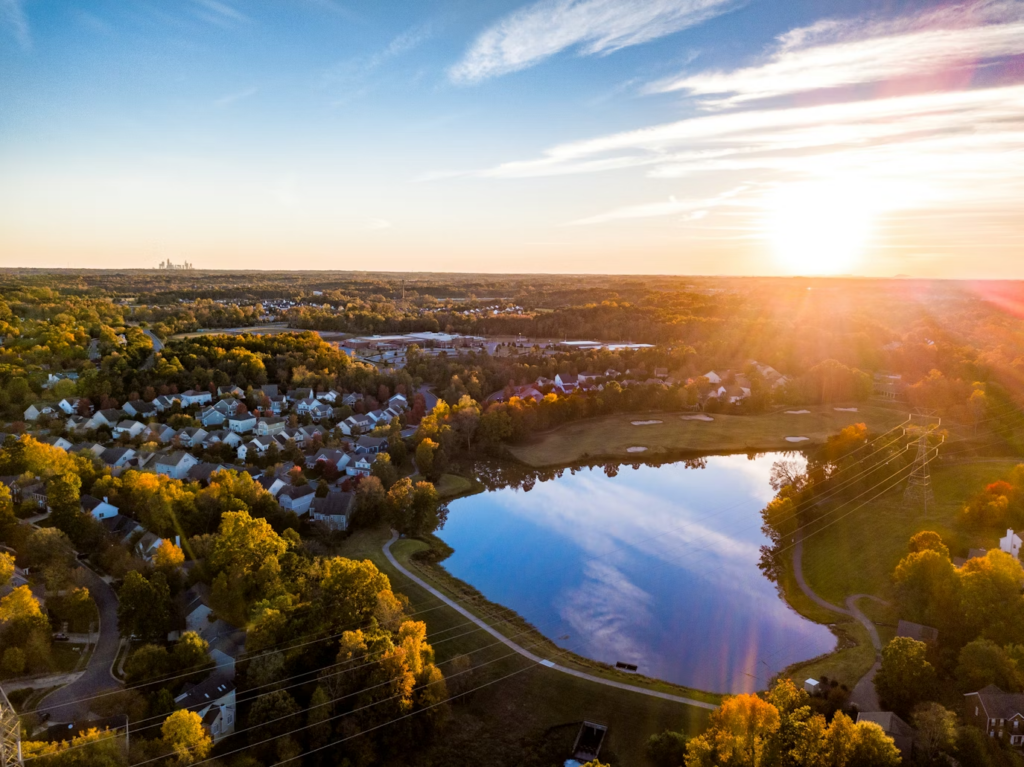
Charlotte is quietly becoming a luxury renter’s dream. New developments across Uptown and South End offer modern interiors, rooftop lounges, and walkable neighborhoods—all well within the $2,500 range. It’s clean, stylish, and perfect for anyone wanting city vibes without city stress.
Things to Consider:
- Cost of Living & Housing: Charlotte’s cost of living is around or slightly below the U.S. average and cheaper than in many major cities, especially in the Northeast or West Coast. Housing, utilities, and transportation tend to be more affordable relative to bigger metros.
- Job Market & Economy: Charlotte has a thriving job market, especially in banking/finance, healthcare, tech, and energy, anchored by major firms and growth industries.
- Transportation & Commute: Charlotte is largely car-centric with limited public transit options compared to larger cities. Buses and light rail exist, but many residents rely on a car. Traffic congestion can be significant during rush hour, impacting daily commute times.
- Climate & Weather: Summers in Charlotte are hot and humid, often reaching into the 80s–90s °F with high humidity. Thunderstorms are common in warmer months. You’ll still get four seasons with mild winters and pleasant springs and falls.
- Neighborhoods & Lifestyle: Charlotte offers diverse neighborhoods — from urban Uptown to family-friendly suburbs to quieter outer areas. Research areas for lifestyle fit, safety, walkability, and amenities.
- Safety & Crime: Perceptions of safety can vary across different parts of Charlotte, and recent surveys show many residents feel the city has become less safe in certain areas — even when some crime rates have fallen. Tip: Look up specific crime statistics and trends for the neighborhoods you’re considering, rather than general city-wide data.
- Culture & Things to Do: Charlotte has a vibrant cultural scene with museums, performing arts, breweries, parks, sports teams, and outdoor recreation. Proximity to both mountains and beaches within a few hours’ drive adds variety for weekend trips.
Tampa, Florida
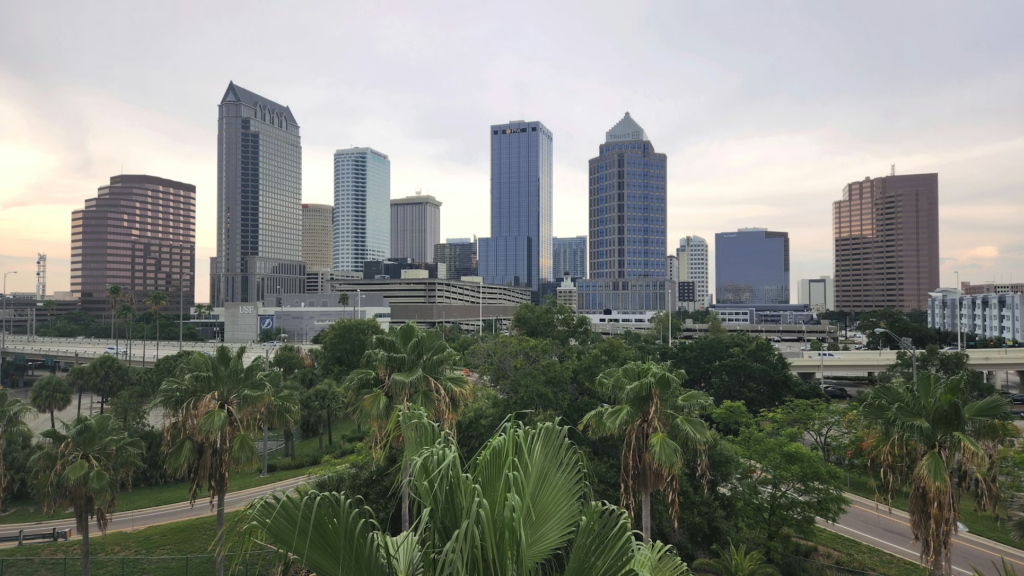
If sunshine is part of your luxury wishlist, Tampa delivers. Under $2,500 can get you waterfront views, resort-style pools, and contemporary interiors in neighborhoods like Downtown Tampa and Ybor City. Bonus: Florida’s no income tax makes the lifestyle even sweeter.
Things to Consider:
- Climate & Weather: Tampa has a humid subtropical climate with warm to hot summers and high humidity — typical Florida weather. Mild winter temperatures most of the year, great for outdoor activities. Thunderstorms and hurricane season (June–November) — Tampa is on the Gulf Coast and prone to tropical storms and hurricanes, which means planning for storm preparedness and insurance is essential.
- Cost of Living & Housing: Tampa’s cost of living is generally slightly below the national average, making it more affordable than many major U.S. cities. Housing prices and rents have been rising due to demand, so research specific neighborhoods and budget accordingly. Florida has no state income tax, which can increase your take-home pay.
- Job Market & Economy: Tampa’s economy is diverse and growing, with opportunities in healthcare, finance, tech, defense, tourism, and logistics.
- Transportation & Commute: Tampa is a car-centric city. A vehicle is often needed to get around efficiently. Traffic congestion can be significant, especially as the population grows.
- Lifestyle & Recreation: Living in Tampa offers beach access and water-based activities within a short drive. Outdoor lifestyle opportunities like parks, biking, rivers, and year-round warm weather. A varied cultural and social scene, including festivals like the Gasparilla Pirate Festival and a vibrant arts and food scene.
- Neighborhoods & Urban vs Suburban Living: Tampa’s communities vary widely, with Downtown and urban neighborhoods offering walkability, amenities, and nightlife, but can be more expensive. Suburban areas tend to be quieter and more family-oriented.
- Insects & Living Conditions: Due to Tampa’s climate, mosquitoes and bugs are common — something many residents contend with routinely.
- Insurance & Preparedness: Because of the hurricane risk and coastal location, insurance (especially flood and windstorm) can be more expensive in Tampa compared with inland areas.
Phoenix, Arizona

Phoenix combines warm weather with affordable upscale living. Luxury apartment communities often include pools, outdoor lounges, and spacious floor plans—all under budget. Areas like Downtown Phoenix and Scottsdale-adjacent neighborhoods offer style, comfort, and room to breathe.
Things to Consider:
- Climate & Weather: Phoenix is one of the hottest major U.S. cities, with long, extremely hot summers where temperatures frequently exceed 100 °F (38 °C). You’ll need reliable air conditioning and a plan to avoid outdoor heat during the hottest parts of the day. Intense heat is a daily reality for months. Seasonal monsoon weather can bring strong winds and massive dust storms (haboobs), reducing visibility and disrupting travel. Air quality & allergies: The dry desert environment, dust, and allergens can worsen air quality and irritate some people.
- Cost of Living & Housing: Phoenix’s overall cost of living is slightly above the national average but generally lower than many other major U.S. metros. Housing typically remains more affordable than in cities like Los Angeles or New York. Cooling and electricity bills in summer can be substantial due to heavy AC use.
- Job Market & Economy: Phoenix has a diverse and growing economy with opportunities in technology, healthcare, education, finance, and manufacturing.
- Transportation & Urban Layout: Compared with larger cities, public transportation options are modest, making a car essential for most people. Urban sprawl means longer drives between neighborhoods, job centers, and recreation.
- Neighborhoods & Lifestyle: Phoenix offers a mix of urban, suburban, and outdoor lifestyles. Everything from downtown city living to quieter suburbs. Outdoor recreation activities include desert hiking, cycling, parks, and close access to natural destinations like Sedona and the Grand Canyon.
- Health & Environment: The dry desert environment and heat may impact people with respiratory or cardiovascular sensitivities. Dust storms can affect visibility and travel safety.
Kansas City, Missouri

Kansas City is an underrated gem for luxury living. With $2,500, renters can secure high-end apartments featuring modern finishes, skyline views, and premium amenities—often with more square footage than you’d expect. It’s ideal for anyone prioritizing comfort and value.
Things to Consider:
- Cost of Living & Housing: Affordable overall: Kansas City’s cost of living is below the U.S. average, meaning your income typically goes farther here than in many large coastal cities.
- Weather & Climate: KC experiences hot, humid summers and cold, snowy winters. This variation means you’ll need to be ready for both heat and winter weather challenges. The region can see strong thunderstorms, hail, and occasional tornado warnings during spring and summer.
- Transportation & Commute: Public transportation options are limited compared to very large urban areas, and many residents rely on personal vehicles. Because the metro area covers a lot of ground, commute times and traffic patterns can vary widely depending on where you live and work.
- Culture, Food & Entertainment: Kansas City is known for its world-class barbecue, jazz heritage, fountains, and arts scene — offering plenty of unique local flavor.
- Sports & festivals: With passionate support for teams like the Chiefs and Royals (though some professional facilities and venues are evolving), there’s a strong community spirit and entertainment to enjoy.
- Job Market & Local Economy: Kansas City has a healthy mix of job opportunities in healthcare, technology, logistics, finance, and small business sectors.
RELATED: BET Her Debuts the Ultimate Home Makeover Series ‘Design My Space: Atlanta’
Luxury living isn’t about the price tag—it’s about how your space makes you feel. These cities prove that you don’t have to overspend to live beautifully. With the right location and a little research, $2,500 can unlock a lifestyle that feels elevated, comfortable, and aligned with your goals.